

There’s solid science showing cannabis can ease chronic pain, cut seizures, calm anxiety and boost sleep, and you must weigh the potential risks before you decide.
Chronic Pain Relief
Nerve pain reduction
You can get real nerve pain relief from cannabis; studies show cannabinoids reduce neuropathic pain by modulating nerve signaling. Watch for drug interactions and dosing risks. Clinical trials report measurable reductions in nerve pain for many patients.
Arthritis symptom management
You can ease arthritis pain and stiffness with cannabis; trials show improved pain scores and sleep. Topical CBD may reduce joint inflammation. Monitor impairment and medication interactions. Cannabis often lowers pain and helps mobility for many patients.
You should know the differences: CBD targets inflammation and local pain, THC reduces pain perception and spasm. Some studies find topical CBD helps osteoarthritis, while low-dose THC or balanced THC:CBD products ease rheumatoid pain and improve sleep. Watch for side effects like dizziness, cognitive impairment, and interaction with blood thinners or immunosuppressants. High THC increases risk of impairment and falls. Clinical evidence supports meaningful pain reduction and lower opioid use in some patients. Talk with your clinician about dosing, delivery method, and safety if you take other meds.
Reducing Chemotherapy Nausea
Controlling vomiting episodes
You can use medical cannabis to reduce chemotherapy vomiting when standard antiemetics fail. Clinical trials report meaningful drops in vomiting episodes. Many patients get strong relief, but psychoactive effects and drug interactions can be dangerous and require medical oversight.
Enhancing patient appetite
You often lose appetite during chemo; cannabinoids can stimulate hunger and help you eat. Studies show increased caloric intake and weight stabilization in some patients. Improved appetite can speed recovery, while drowsiness or altered cognition may be side effects to monitor.
You’ll find THC and some synthetic cannabinoids bind CB1 receptors to trigger hunger, and clinical trials plus meta-analyses show appetite increases and modest weight gain for some chemo patients. Improved appetite and weight stability can help you stick with treatment and regain strength. Psychoactive effects, sedation, and drug interactions are real risks, so discuss dosing, formulation, and timing with your oncologist.
Treating Severe Epilepsy
Dravet syndrome support
You can use prescription CBD (Epidiolex) to reduce seizures in Dravet syndrome; clinical trials show meaningful seizure reductions. Expect monitoring for liver enzyme changes and drug interactions and work closely with your neurologist on dosing.
Lennox-Gastaut syndrome relief
You can add prescription CBD (Epidiolex) to help reduce drop seizures in Lennox‑Gastaut; studies show significant seizure decreases. Watch for sedation, elevated liver enzymes, and interactions, and coordinate treatment with your clinician.
You should know that CBD (Epidiolex) is FDA-approved for Lennox‑Gastaut because trials showed fewer drop seizures and overall seizure reductions. Your clinician will titrate dose slowly while checking liver function tests, since liver enzyme elevations and interactions with valproate are the most dangerous issues to watch. Expect side effects like sedation, decreased appetite, and diarrhea; stay on top of follow-up labs and adjust therapy based on results.

Easing Multiple Sclerosis Spasms
You can cut MS spasm pain with cannabis; trials show reduced spasticity and better sleep, but cognitive or balance side effects can appear. Read Scientists reveal the real benefits and hidden risks of …
Muscle stiffness reduction
You feel less stiffness as cannabinoids calm overactive muscles; clinical trials report measurable spasticity drops, improving daily comfort and sleep for many people.
Improved motor function
You may regain better walking and coordination with THC/CBD combinations; some studies show improved gait, though effects vary and dosing matters-watch for side effects.
You should expect modest gains: cannabinoids act on CB1/CB2 receptors to lower muscle tone and pain, producing better mobility in some patients. Be alert for dizziness, cognitive slowing, and increased fall risk; consult your clinician to find the right dose and prefer medical formulations over smoking when possible.

Managing Anxiety Disorders
Social phobia relief
You can use low-dose CBD or microdosed THC strains to calm performance nerves, so you speak up and connect with less fear; high THC can spike anxiety and panic, so test doses slowly.
PTSD symptom mitigation
You may find cannabis reduces nightmares and hypervigilance, improving sleep and lowering flashbacks; nabilone and certain THC preparations showed benefits in some trials, but effects vary by dose and person.
You should know clinical reports and small trials found cannabinoids can reduce nightmares, lower hyperarousal, and decrease intrusive memories, with nabilone and THC showing consistent sleep benefits. You must watch dosing: high THC can worsen anxiety, raise psychosis risk in susceptible people, and lead to dependence. You should discuss cannabis with your clinician if you take SSRIs or other meds because drug interactions and impaired driving are real safety concerns. You can combine targeted cannabinoid use with trauma-focused therapy to get the most durable gains rather than using cannabis as a sole solution.
Lowering Intraocular Pressure
Glaucoma treatment support
You can use cannabis compounds to lower intraocular pressure for several hours, offering symptomatic glaucoma relief; the effect is short-lived and requires frequent dosing, with psychoactive and blood-pressure side effects to consider.
Optic nerve protection
You see preclinical studies where cannabinoids reduce neuroinflammation and may protect retinal ganglion cells, suggesting a potential to slow optic nerve damage; human evidence remains limited and inconclusive.
You should know animal models show cannabinoids act on CB1/CB2 receptors to reduce glutamate excitotoxicity, lower oxidative stress, and preserve retinal ganglion cells, which hints at neuroprotection. Clinical trials in people are scarce, short-acting effects demand frequent dosing, and systemic hypotension from THC can reduce ocular perfusion and potentially worsen damage – that risk is as real as the potential benefit.
Improving Sleep Quality
Insomnia symptom reduction
You see insomnia symptoms fall in some studies when you use cannabinoids; low-dose THC or CBD helped reduce night awakenings and boost sleep length. Reduced nighttime awakenings and better total sleep time are common findings. Watch for daytime drowsiness and tolerance with heavy use.
Faster sleep onset
You fall asleep faster in trials where low-dose cannabinoids were used; many participants reported shorter sleep latency and less tossing. Shortened time to sleep and reduced sleep fragmentation appear in research. Watch for next-day grogginess at higher doses.
You get faster sleep onset because cannabinoids calm pre-sleep anxiety and lower arousal by engaging the endocannabinoid system. Low-to-moderate THC often shortens sleep latency and CBD eases racing thoughts, so shorter time to fall asleep is the headline benefit. Try small doses first; high doses can cause grogginess, REM suppression, and tolerance. If you have sleep apnea or take other sedatives, consult a clinician-dangerous interactions and next-day impairment are real risks.
Decreasing Systemic Inflammation
Rheumatoid arthritis relief
You can get measurable relief as cannabinoids reduce joint swelling, pain, and stiffness in several trials; CBD and THC show anti-inflammatory and analgesic effects. Expect better sleep and mobility, but monitor for possible immune suppression and drug interactions.
Autoimmune response modulation
You tap cannabinoid signaling to tone down overactive immune responses; animal and small human studies show lowered cytokines like TNF-α and IL-6 and reduced immune cell activation. Clinical evidence is emerging, so weigh benefits against infection risk and medication interactions.
Cannabinoids bind CB2 receptors on immune cells and reduce pro-inflammatory cytokines like TNF-α, IL-1β, and IL-6, blunt T-cell proliferation, and calm microglial activation. Preclinical models of multiple sclerosis and rheumatoid arthritis show symptom and tissue improvements, and small human studies report lowered inflammatory markers. Potential risks include immune suppression, reduced vaccine responses, and interactions with immunosuppressant drugs via CYP450, plus psychiatric side effects with high-THC use. You should discuss dosing and drug interactions with your clinician before experimenting.
Providing Neuroprotective Benefits
Alzheimer’s progression slowing
You can slow Alzheimer’s progression with cannabinoids that reduce inflammation and amyloid buildup; studies show reduced neuroinflammation and less amyloid plaque, offering real potential for memory protection and slower cognitive decline.
Brain injury recovery
You may recover brain function faster when cannabinoids limit excitotoxicity and inflammation after traumatic brain injury; animal and early human data suggest reduced swelling, cell death, and improved functional outcomes.
You should act quickly after injury since the brain faces a rapid, dangerous cascade of excitotoxicity and oxidative stress; research indicates cannabinoids can curb that cascade, preserve neurons, lower intracranial pressure, and improve rehabilitation results, though dosing, timing, and side effects like sedation and blood pressure shifts require careful clinical oversight.
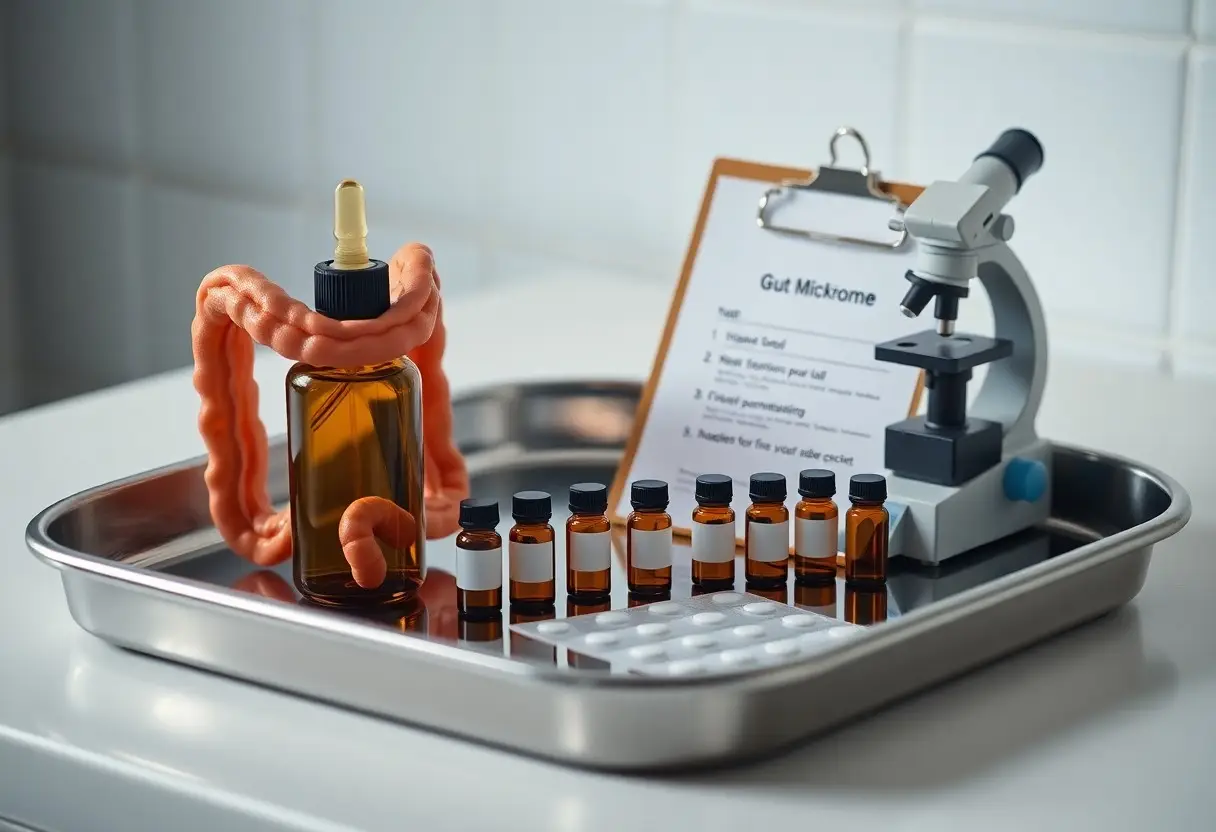
Treating Inflammatory Bowel Disease
Crohn’s disease management
You find cannabis can calm Crohn’s flares, cutting pain and nausea while boosting appetite. Studies show reduced abdominal pain and fewer flare days for some patients. Watch for psychoactive effects and interactions with other meds; talk to your doctor before experimenting.
Ulcerative colitis relief
You can use cannabis to ease ulcerative colitis symptoms: less diarrhea, lower inflammation markers in some trials, and better sleep. Expect symptom relief, but be aware of drug interactions and possible cognitive side effects.
You need to know clinical trials are small but promising: cannabinoids lowered disease activity scores and improved quality of life in some patients; some reached partial remission. Watch for immune suppression risks if you’re on biologics and for dependence or cognitive effects with heavy use. Consult your clinician before changing treatment.
To wrap up
With these considerations you see cannabis delivers research-backed wins for pain, sleep, anxiety and inflammation, so you should act smart, talk with your doctor, and explore options; read 10 health benefits of cannabis that everyone should know.
FAQ
Q: Which health benefits of cannabis are supported by research?
A: Research supports several potential benefits. Chronic pain: multiple randomized controlled trials and meta-analyses report modest reductions in neuropathic and cancer-related pain with cannabinoid-containing medicines. Chemotherapy-induced nausea and vomiting: synthetic THC formulations and cannabinoid drugs have proven antiemetic efficacy in RCTs. Multiple sclerosis spasticity and pain: trials of nabiximols and other cannabinoid preparations show improvement in spasticity and related symptoms. Epilepsy (certain pediatric syndromes): purified CBD (Epidiolex) is FDA-approved for Dravet and Lennox-Gastaut syndromes based on controlled trials. Appetite stimulation and weight gain: THC-containing medicines increase appetite in HIV/AIDS and some cancer patients. Anxiety symptoms: several studies find anxiolytic effects for CBD in specific settings and doses, though results vary. Sleep: cannabinoid use has been associated with improved sleep measures in some clinical trials and observational studies. Post-traumatic stress disorder (PTSD): preliminary trials and observational studies report symptom reduction for some patients, but evidence remains mixed. Anti-inflammatory and neuroprotective effects: preclinical studies and early human research indicate anti-inflammatory actions and potential neuroprotection, requiring more clinical trials. Tourette syndrome and tics: small RCTs suggest THC may reduce tic severity in some patients.
Q: How strong is the evidence and which cannabinoid forms or dosing approaches are used?
A: Strength of evidence varies by condition. Highest-level evidence exists for CBD in specific epilepsies and for cannabinoids in chemotherapy-related nausea and MS spasticity. Moderate-quality evidence supports chronic pain relief. Evidence for anxiety, PTSD, sleep, neuroprotection, and tics is preliminary or mixed. Formulations include oral oils and capsules (CBD, THC), oromucosal sprays (nabiximols), inhalation (vaporized flower), and synthetic cannabinoids. Oral formulations provide more consistent dosing and longer duration; inhalation gives rapid onset for breakthrough symptoms. Dosing depends on condition, product concentration, and patient factors; typical clinical approach is to use the minimum effective dose, titrate slowly under medical supervision, consider CBD-predominant products for anxiety and epilepsy, and consider THC-containing products for pain, nausea, appetite, and MS symptoms.
Q: What risks, side effects, and precautions should patients consider?
A: Cannabis can cause acute side effects such as dizziness, sedation, cognitive impairment, dry mouth, and nausea. THC exposure carries risk of anxiety, paranoia, impaired driving, and in susceptible individuals may increase risk of psychotic episodes. Long-term or heavy use can lead to dependence and withdrawal symptoms. Cardiovascular effects include transient tachycardia and potential blood-pressure changes. Drug interactions occur via cytochrome P450 enzymes, particularly with CBD altering levels of co-administered medications. Pregnancy and adolescence are high-risk situations where use is discouraged because of potential developmental harms. Patients should disclose cannabis use to their healthcare providers, avoid combining cannabis with alcohol or sedatives, and avoid operating vehicles or heavy machinery while impaired.

Leave a Reply