
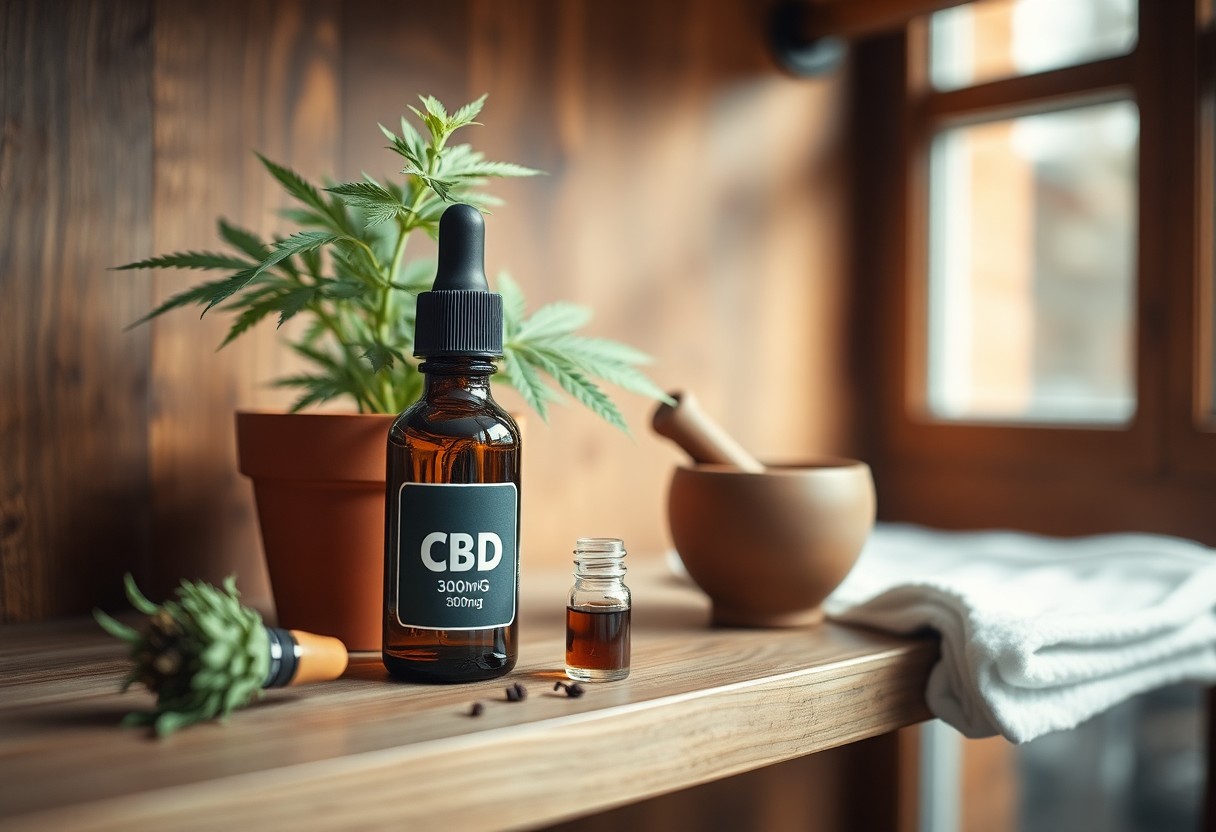
It’s blunt: you can tap natural relief for sleep, stress, and focus, but you must respect legal and health risks and learn dosage fast.
The Market Doesn’t Care About Your Old Stigmas
Market buyers and brands ignore your old stigmas; you either adapt or get left behind, because consumer demand and investment dollars are steering cannabis into mainstream wellness as practical, high-growth solutions.
Why Underpriced Attention is Shifting to the Plant
Attention that once ignored cannabis is now chasing the plant because you want simple, effective self-care, and investors spot fast growth and undervalued markets ready to scale.
Understanding the Context of the Modern Stress Epidemic
Stress has become your daily baseline; cannabis appears as an accessible tool for sleep, anxiety, and pain relief, moving from fringe cure to parts of your self-care toolkit.
You watch patterns: longer hours, constant notifications, and shrinking social support push people toward quick relief, so brands sell microdosing, tinctures, and topicals that meet immediate needs; that untapped consumer demand creates momentum, while unverified claims and inconsistent dosing pose real risks you must spot before you buy.
The Clouds and the Dirt of Cannabinoid Strategy
You see the hype and the hands selling dreams, and you also feel the grind of supply chains that hide contaminants and inconsistent potency; you have to treat cannabinoid strategy like business – test everything, demand clarity, and focus on real, measurable wellness outcomes or you’re just buying smoke.
High-Level Vision: The Future of Plant-Based Longevity
Imagine you tapping into tailored cannabinoid profiles that support recovery, sleep, and stress resilience, turning casual use into a proactive longevity tool that helps you live stronger, longer with measurable results and smarter daily habits.
The Gritty Reality of Terpenes and Clean Sourcing
Look at terpenes as the flavor and effect IQ of the plant, and know that cheap sourcing can introduce pesticides and solvents that ruin outcomes; you need transparency and batch-level testing before trusting any product with your health.
Consider how terpene profiles shift therapeutic signals: certain combinations amplify benefits while others mask them, and poor cultivation or extraction adds heavy metals, residual solvents, or microbial risks that you must avoid. You should insist on COAs, third-party testing, and clear farming practices; demand solventless or properly purged extracts when possible, and treat provenance like non-negotiable insurance for your wellness experiments.
Micro-Dosing Your Way to 24/7/365 Performance
Micro-dosing isn’t about getting high; you use low-dose protocols to steady focus, mood, and recovery so you can show up every day. You test, track, and tweak until consistency becomes your advantage, while staying alert for adverse reactions and consulting medical guidance when needed.
Execution Over Everything: Finding Your Functional Edge
Execution is your metric: you tune micro-doses to sustain focus without fog, build repeatable rituals that favor daily output, and measure what actually moves the needle so you stop theorizing and start producing.
Why Burnout is a Choice You No Longer Have to Make
Burnout stops being inevitable when you use micro-dosing to protect energy, prioritize recovery windows, and set boundaries that keep you creative and functional year-round.
You track dose, timing, sleep, and task output, then iterate until your calendar proves the method. Micro-dosing works when you start low, stay consistent, and respect recovery windows so short-term hustle doesn’t wreck long-term capacity. Watch for increased anxiety, cognitive fog, drug interactions, and legal risks; consult a doctor if you have psychiatric history or medications. Use data over ego-cut what harms, double down on what sustains performance.
Stop Making Excuses and Start Optimizing
You are done with hypotheticals; run micro-experiments, measure results, and iterate like your wellness depends on it. Use the Cannabis Self-Care Workflow for Ultimate Wellness Routine to structure tests, prioritize safety, and treat cannabis as a tool for real gains.
The Speed of Implementation in Your Daily Routine
Act fast: pick one tiny, measurable habit-micro-dosing before wind-down or CBD in the morning-and run it for a week to see real shifts. Small wins create momentum and expose what actually improves your sleep, focus, or mood.
Documenting Your Wellness Journey (No Perfection Required)
Track quick notes: dose, time, effect, and context; the trend matters more than perfect entries. Even one line after each session gives you the leverage to refine what works and what hurts.
Write brief daily records that capture dosage, method, mood, and any side effects so patterns jump out faster than memory can. If a reaction spikes anxiety or clashes with medication, treat that as a red flag and pause or consult a professional; clear logs turn confusion into actionable decisions.
Taking Accountability for Your Own Energy Levels
Own your energy by scheduling cannabis around goals-focus sessions or restful evenings-not as default coping. Set limits and monitor outcomes so you know when it’s helping versus sapping your drive.
Set boundaries like sleep, hydration, and pre-dose check-ins to avoid using cannabis as avoidance. When you measure effects against real responsibilities, you stop blaming context and start changing behavior; that practice of ownership is how you control whether cannabis adds value or becomes a liability.
To wrap up
As a reminder you control how cannabis fits your self-care: test responsibly, stop overthinking, track effects, and build routines that make you feel better – be honest, iterate fast, and use it to boost daily wellbeing.
FAQ
Q: How is cannabis changing modern self-care?
A: Cannabis has shifted self-care by offering targeted symptom relief and alternative options alongside traditional therapies. The endocannabinoid system regulates mood, sleep, pain, and inflammation, and cannabinoids such as CBD and THC interact with that system to reduce anxiety, improve sleep quality, and manage chronic pain for some people. Product variety-tinctures, edibles, topicals, vapes, and microdosing protocols-allows users to tailor routines to specific goals. Clinical evidence varies by condition; high-quality studies support CBD for certain anxiety and seizure disorders while evidence for long-term THC benefits remains limited. Consumers should choose lab-tested products with clear dosing and consult healthcare providers when combining cannabis with other treatments.
Q: Is using cannabis for wellness safe and legal?
A: Cannabis can be safe when used responsibly but carries potential side effects such as drowsiness, impaired coordination, short-term memory changes, and, at higher THC doses, increased anxiety or paranoia. Drug interactions are possible, especially with anticoagulants, anticonvulsants, and sedatives, so medical guidance is important if you take prescription medications. Use is not recommended during pregnancy or breastfeeding, and operating vehicles or heavy machinery while impaired is unsafe. Legal status and workplace policies differ by jurisdiction and employer; verify local laws and purchase from licensed retailers that provide certificates of analysis showing potency and contaminant testing.
Q: How can I incorporate cannabis into a self-care routine responsibly?
A: Begin by defining a clear wellness goal, such as improving sleep, reducing chronic pain, or easing daily stress. Select a product that matches that goal: CBD-dominant formulations or topicals for localized inflammation and relaxation; low-dose THC or balanced THC/CBD products for sleep and pain; inhalation for rapid onset; edibles for sustained effects. Start with a low dose and increase slowly while tracking effects, timing, and any side effects in a journal to determine what works best. Combine cannabis use with established practices like consistent sleep habits, mindfulness, and exercise to support overall wellbeing. Seek medical advice if you have a history of mental health conditions, are pregnant, or use other medications, and store products securely away from children and pets.

Leave a Reply